Do You Own the Games You Buy? Digital Licenses, Explained
When you 'buy' a digital game, you usually get a revocable license, not ownership. Here's what that means for shutdowns, save data, and your library.
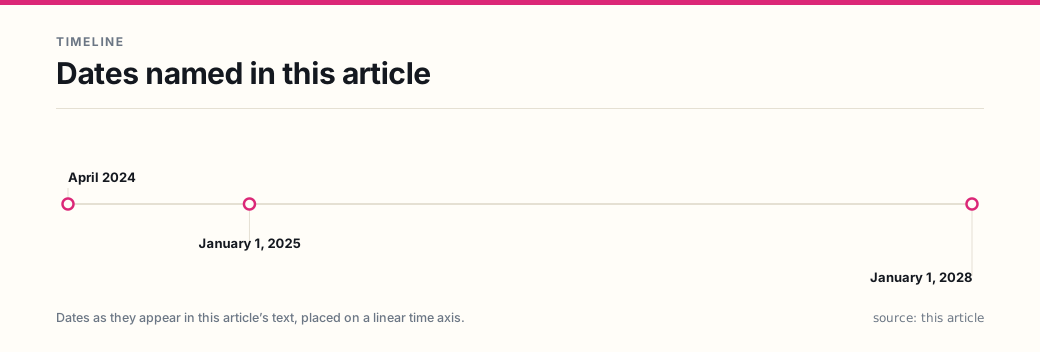
When you click “buy” on a digital game, you are almost never buying the game. You are buying a license — a permission to play it under terms the seller can often change, and that it can sometimes take away. This explainer covers what that means in practice: what survives a server shutdown, who holds your save data, and which laws actually change the balance.
What does “buying” a digital game really get you?
The receipt says “buy,” but the fine print usually says something else. Digital storefronts sell you a non-exclusive license to access the software, governed by the platform’s terms of service. The Federal Trade Commission warned about exactly this in an April 2024 consumer alert: what you get when you click “buy” for a digital product is “often merely a license to access the content,” and the seller can typically change the terms in that fine print.
That distinction is not just semantics. A license can be revoked; ownership cannot be, at least not without a breach of the agreement or a court order. When a publisher loses the right to distribute a title, or simply decides to pull it, a licensed copy can disappear from your library with no refund — because you licensed access, you did not buy a thing.
Why can a “single-player” game still need the publisher?
It is natural to assume a solo campaign lives entirely on your machine. Increasingly it does not. Many games, including ones marketed as single-player, route authentication, progression, cloud saves, or anti-tamper checks through the publisher’s servers. The result: a game you paid for can become unplayable not because your hardware changed, but because a remote service stopped answering.
Ubisoft’s The Crew is the clearest recent example. When the company shut the game’s servers in 2024, owners — including people who had already downloaded it — lost access to the campaign as well as the online modes. A paid title simply stopped being playable. That case is why “single-player” and “works forever” are no longer the same promise.
What happens when a game is delisted or shut down?
When a publisher delists a game, new buyers can no longer purchase it. When it shuts the servers, existing owners can lose the ability to launch it at all, depending on how the game was built. Neither event is a breach of the license, because a digital license of this kind is generally conditional on the seller keeping the service alive.
Subscription ties make this sharper. A game “included with” a service like a console’s online tier is access you rent, not a copy you hold. Let the subscription lapse and the library goes with it. Even a game you individually purchased can lean on online activation that a shutdown removes.
Who actually controls your save data?
Your progress is usually stored in the publisher’s or platform’s cloud, tied to your account — not to a file you own and can move. That means:
- A banned or closed account can take your saves with it.
- Moving to another platform generally means starting over; saves rarely transfer between ecosystems.
- If the service ends, cloud saves can vanish with it unless the game also writes a local copy.
Some games do keep local save files you can back up. Whether yours does is a per-title detail worth checking before you invest hundreds of hours.
What does the law change — and what doesn’t it?
This is where it is easy to be misled by headlines. Two California measures are often confused:
- AB 2426 (in effect January 1, 2025). This one is real and active. It amended California’s false-advertising law so that a seller cannot use “buy” or “purchase” for digital goods — including games — without clearly disclosing that you are getting a revocable license, either through an explicit acknowledgment or a plain-language statement linked to the full terms. It exempts subscriptions, free goods, and anything sold as a permanent offline download. It changes what sellers must tell you; it does not grant you ownership.
- AB-1921, the “Protect Our Games Act” (proposed, not yet law). Introduced in 2026 and passed by the State Assembly, it was pending in the Senate as of this writing. If enacted, it would require publishers to give 60 days’ notice before shutting down services needed for a game’s “ordinary use” and to offer an offline version, a patch, a refund, or server-hosting tools afterward — but only for games first sold after January 1, 2028, and with carve-outs for subscriptions, free-to-play titles, and permanently offline games. Enforcement would rest with the state Attorney General and district attorneys, not individual players. It is a proposal, not a right you can claim today.
At the federal level, a bill dubbed the “Power to the Players Act” has been introduced to push the FTC toward treating digital game purchases as ownership and requiring offline modes before shutdown. Like AB-1921, it is a proposal, not current law. Rules also vary by state, and this article is general information, not legal advice — check the status of any law before relying on it.
What are practical ways to protect your library?
You cannot rewrite the license, but you can reduce how exposed you are:
- Buy physical where it matters. A disc or cartridge is a tangible copy you can resell under first-sale principles for the media, and it does not depend on a storefront staying online. Some titles still require disc-based checks, so read the case.
- Consider DRM-free storefronts. Platforms that let you download installers you keep locally — and that state the copy “cannot be taken away” — remove the remote-kill risk for those titles.
- Treat subscriptions as rent. If a game matters to you, prefer a permanent copy over one bundled in a lapsing membership.
- Know your platform’s family and sharing rules. Some ecosystems let a purchased title be played across a household or shared library; others lock it to one account. The difference is real when a device or account is lost.
- Keep your receipts and account recovery current. Proof of purchase and working email and two-factor authentication on the account are your only leverage if access is ever challenged.
- Back up local saves where the license permits. If a game writes a save file you can copy, copy it. Cloud-only progress is only as durable as the service.
None of these turn a digital license into ownership. They shrink the number of ways a purchase can quietly become a memory.
What is the bottom line?
“Buy” on a digital store is closer to “rent, revocable” than to “own.” California’s AB 2426 forces that truth into the checkout, and stronger “right to keep playing” bills are moving through legislatures — but most are proposals, not rights you hold today. Until they pass, the safest buyer is the one who knows the license is conditional and plans around it.
Frequently asked questions
- If I bought a game, can the publisher take it back?
- Often yes, if what you bought was a license and the terms allow revocation — for example, if the publisher loses the right to distribute a title or ends a service it runs. California's AB 2426 requires sellers to disclose this up front, but a disclosure does not stop a revocable license from being revoked. Whether you have any recourse depends on the seller's terms and, in some cases, on state law.
- Does buying a physical disc mean I own the game?
- You own the disc as a tangible copy and can resell that media under first-sale principles, and the disc does not depend on a storefront staying online. But the software on it is still licensed, and some discs require online activation or periodic checks to run. Physical media removes the storefront-dependency risk; it does not turn the software license into ownership.
- What happens to my saves if a game's servers shut down?
- Cloud saves tied to your account can disappear along with the service, while a local save file you can copy is far safer. Whether a title keeps a local copy is a per-game detail worth checking before you invest heavily in it. Moving to another platform generally means starting over, because saves rarely transfer between ecosystems.
- Is the 'Protect Our Games Act' already law?
- No. California's AB-1921 passed the State Assembly in 2026 but was pending in the Senate and is not yet enacted. Even if it becomes law, the current version would apply only to games first sold after January 1, 2028, and it carves out subscription services, free-to-play titles, and games sold as permanent offline downloads. It is a proposal, not a right you can claim today.
- Which states protect digital game buyers?
- As of this writing, California's AB 2426, effective in 2025, requires sellers to disclose that a digital 'purchase' is a revocable license. Other states and a federal bill have proposed stronger 'right to keep playing' rules, but most remain proposals, and the specifics vary. Check your own state's current law rather than assuming a uniform national standard.
Sources
Each source is a primary or official reference, checked before publication. Links open the original.
- Federal Trade Commission — consumer alert 'Do you really own the digital items you paid for?' (April 2024), explaining that what a buyer gets by clicking 'buy' on a digital product is often merely a license to access content that the seller can usually change in the fine print
- Wilson Sonsini — analysis of California Assembly Bill 2426, the digital-goods disclosure law (effective January 1, 2025) that amended the state's false-advertising rules to require sellers using 'buy' or 'purchase' for digital goods, including games, to disclose the transaction is a revocable license
- Ashurst Perkins Coie — analysis of California Assembly Bill 1921, the 'Protect Our Games Act' (introduced 2026, passed the State Assembly, pending in the Senate), which would require shutdown notice and an offline, patch, refund, or server-tools path for future releases
- California Legislative Information — AB 2426 and AB-1921 bill pages (bill numbers cited for precision; the underlying statute is the California Business and Professions Code)